 |
| Cibelella Coronata / Photo: Alexei Molchanov |

Saturday, 8 June 2019
CIBELELLA CORONATA

Wednesday, 5 June 2019
EVENING ON ISAAC LAKE
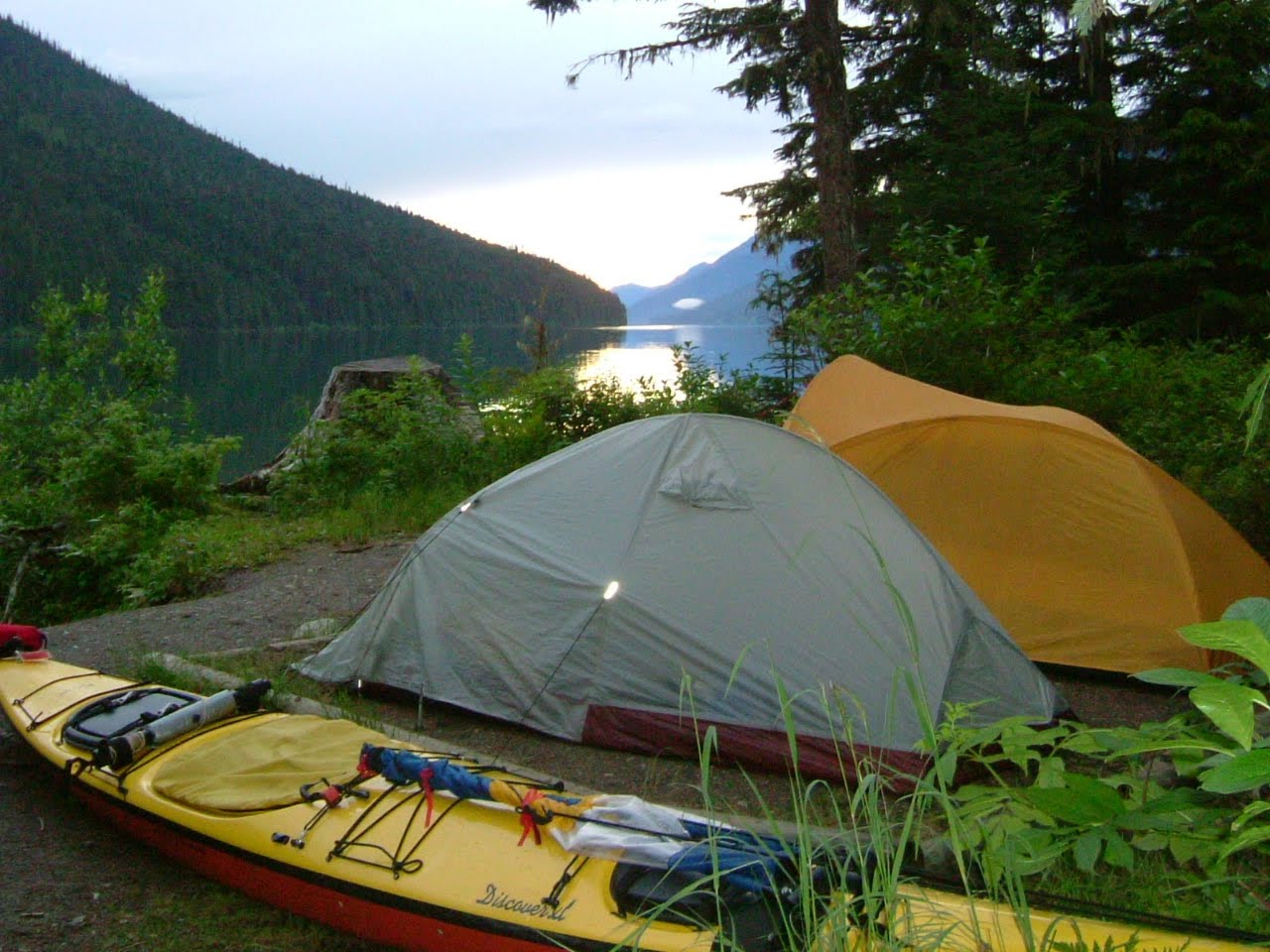 |
| Isaac Lake / Bowron Provincial Park |
Isaac is picture perfect, nestled between Mount Falkner and Kaza Mountains to the west and southwest and Mount Amos along with the reindeer-themed, Vixen and Dasher Peaks to the east.

Monday, 3 June 2019
ARNIOCERAS BEDS: SINEMURIAN AMMONITES
 |
| Arnioceras semicostatum & Arnioceras miserable |
This site is part of the research area for Dr. Howard Tipper, GSC (who is hugely missed) and Dr. Louise Longridge, University of British Columbia.
Several ammonites species can be found here including Arnioceras semicostatum & Arnioceras miserable.
Building on the work of Dr. Howard Tipper and Dr. Louise Longridge, along with Taylor et al from 2001, Pengfei Hou did a Master's thesis through UBC in 2014 on Sinemurian (Early Jurassic) stratigraphy at Last Creek, British Columbia and Five Card Draw, Nevada : paleontology and environmental implications.
As part of that work, he collected over 400 ammonite specimens from the Last Creek Formation in Last Creek, British Columbia and the Sunrise Formation in Five Card Draw, Nevada. The research led to three new species: Tipperoceras n. sp. A, Tmaegoceras obesus n. sp., Arnioceras n. sp. Nice to see Tip getting a nod for his efforts with a species named after him.
The two gastropods you see in the central block look to be Promathildia turritella. The age is certainly correct. Here's hoping a nice grad student takes an interest. The rare but lovely gastros from this area would make an excellent thesis. Perhaps comparing their distribution to their counterparts in Europe.
Subscribe to:
Posts (Atom)